
The 3rd Global Camelid Conference for Owners
Management to Maximise Reproductive Efficiency in Camelid Herds
2ND APRIL, 2026
TIME AND ZONES
➤ 2 – 9.30pm UK
➤ 3 – 10.30pm Central Europe
➤ 9am – 4.30pm EST USA
➤ 6am – 1.30pm PST USA
➤ 12 am – 7.30am AEDT (Sydney)
Management to Maximise Reproductive Efficiency in Camelid Herds
This conference will give camelid owners and breeders a practical, evidence-based understanding of how day-to-day management decisions influence fertility — from biosecurity and breeding soundness to pregnancy, birthing, and the realities of assisted reproduction.
PROGRAMME
Optimum Setup for Breeding Operations
Learn how to set your farm and your herd up for reproductive success!
The Male
What’s normal for males
Male management in the breeding herd
Infertility and the importance of the breeding soundness examination
The Female
Breeding management
The reproductive “cycle” in camelids
Pregnancy diagnosis
Dealing with infertility
Pregnancy and Associated Problems
Birthing
The normal and the not so normal (difficulties with birthing).
Discussion
In this session, Dr Tibary will address specific questions asked by delegates submitting questions at registration. You will be given the opportunity to submit questions. We will also answer any outstanding questions from the material presented during the course of the conference.
By the end of this conference, delegates will be able to...
➡️ Explain the role of biosecurity and herd health planning in optimising reproductive performance, including how infectious disease control, quarantine protocols, and routine health monitoring influence fertility outcomes at herd level.
➡️ Describe normal male reproductive anatomy, physiology, and breeding behaviour in camelids, and recognise common management and health factors that impact male fertility and breeding success.

➡️ Apply evidence-based female breeding management strategies to optimise mating outcomes, including timing of breeding, nutritional considerations, and practical herd-level decision-making.
➡️ Recognise common causes of female infertility in camelids, understand appropriate diagnostic approaches, and identify practical management or veterinary interventions to improve reproductive outcomes.
➡️ Determine optimal timing and methods for pregnancy diagnosis, and identify key risk periods and warning signs throughout gestation that may compromise pregnancy success.
➡️ Evaluate the current state of assisted reproductive technologies in camelids, including artificial insemination and embryo transfer, and assess their practical viability, limitations, and realistic applications within commercial and breeding herds.
➡️ Apply evidence-based female breeding management strategies to optimise mating outcomes, including timing of breeding, nutritional considerations, and practical herd-level decision-making.
Join the 3rd Global Camelid Conference for Owners
Management to Maximise Reproductive Efficiency in Camelid Herds
2ND APRIL, 2026
TIME AND ZONES
➤ 2 – 9.30pm UK
➤ 3 – 10.30pm Central Europe
➤ 9am – 4.30pm EST USA
➤ 6am – 1.30pm PST USA
➤ 12 am – 7.30am AEDT (Sydney)
To calculate the timing in your own time zone please click here.
REGISTRATION NOW OPEN
Secure your spot for the upcoming program.
£147
NOTE: If you are a US-based business customer, please email Rick at [email protected]: you will need to provide us with your business name and evidence of your business in order to receive the course free of UK sales tax. You will be sent a different payment link. For business customers from any other country, just check to box to pay as a business and enter your business tax ID on the payment page. ]
PLEASE NOTE that recordings will be available after the event and you'll be able to access these for one year! So if you can't make the actual dates or miss some of the event, you won't miss out!
About the Speaker
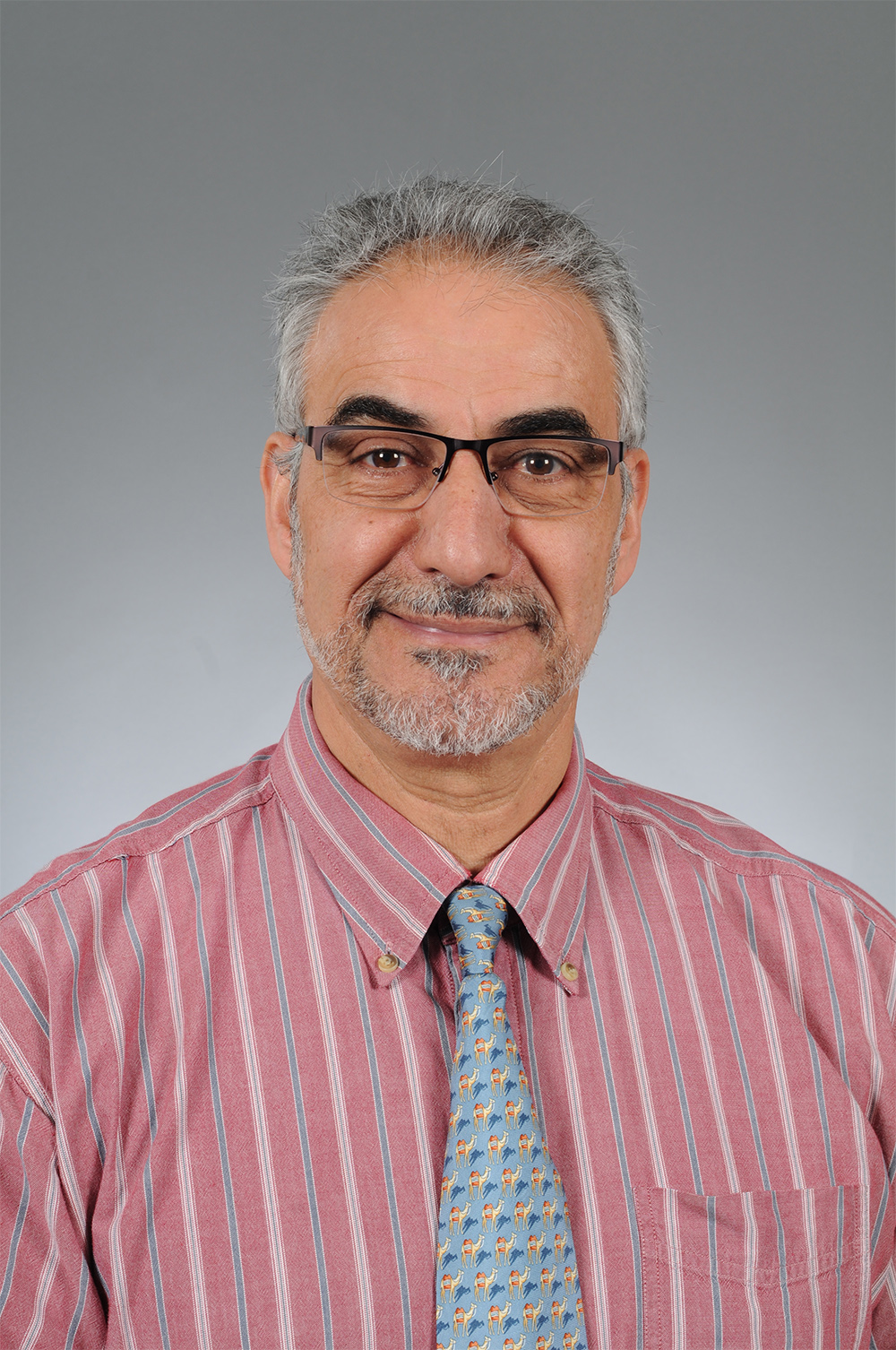
Ahmed Tibary
DMV MS DesS PhD DACT
Dr. Ahmed Tibary is Professor of Theriogenology at the College of Veterinary Medicine, Washington State University, Pullman, WA, USA. Dr. Tibary graduated in 1980 with a Doctorate in Veterinary Medicine from the Institut Agronomique et Vétérinaire Hassan II (IAV-Hasson II), Morocco. He earned an MS (1984), Doctorat es Science (1988) from IAV Hassan II and a PhD (1989) in Theriogenology from the University of Minnesota. He was certified as a Diplomate of the American College of Theriogenologists in 1991.
Dr. Tibary started his career in Morocco doing clinical practice research on equine and ruminant Theriogenology. He worked as a Clinical Assistant Professor of Equine Theriogenology at the University of Minnesota from 1990-1992. He then accepted a position as the Scientific Director of the Veterinary Research Center in Abu Dhabi in the United Arab Emirates where he helped develop a referral center for infertility and artificial breeding in Arabian horses and camels. In 1998, he joined the College of Veterinary Medicine at Washington State where he is now a professor of the Comparative Theriogenology service providing clinical service and conducting research in equine, ruminant and camelid reproductive medicine and surgery.
Dr. Tibary devoted most of his career to teaching and conducting applied research on equine, ruminants and camelid theriogenology. He served as veterinary consultant to the Royal stables and the National Stud Farms in Morocco and the Amiri stable in Abu Dhabi (UAE). He received several awards recognizing his excellence in teaching and clinical practice including the Norden Distinguished Teacher Award (2001 and 2005), the faculty member award by the Washington State Veterinary Medical Association (2003), the WSU Veterinary Continuing Education Award (2002) and the Veterinary Achievement Award by the Alpaca Research Foundation (2007). He was named the 2011 “Theriogenologist of the Year” by the American College of Theriogenologists.
Dr. Tibary provided large animal reproductive medicine and surgery continuing education programs for veterinarians around the world. He is the author of several scientific publications, 6 books and over 130 book chapters on camelid, equine and ruminant reproduction. Dr. Tibary served in several capacities in the ACT and SFT leadership.
Testimonials From Past Global Conferences
"Exceeded my expectation."
This absolutely exceeded my expectations. I thought i would enjoy some of it but it was no less than llamazing!!! It should be a must for ANY camelid owner no matter of skill. I am buzzing! I cannot wait to join future conferences.
Lisa Fox, Brierly Hill Llamas, UK
"Information and knowledge shared was very comprehensive"
Participating with world authorities and renowned academics from the comfort of my own home as well as post conference access to presentation recordings and lecture notes is brilliant - the amount of information and knowledge shared was very comprehensive - being able to process this information post conference will also be invaluable.
Andrew Chilton, Knockvicar Alpacas, Ireland
" I found the genetics presentations and discussions incredibly valuable"
This conference brought contemporary research and practice together on a range of important and relevant topics, particularly with respect to genetics. I found the genetics presentations and discussions incredibly valuable and I look forward to taking my learning from this conference forward through on-farm practice and by contributing samples to assist further genetics research and knowledge. A brilliant conference, thank you Claire for organising and to all of the presenters and participants.
Jane Ackland - Everlong Llamas
"Looking forward to next years conference "
It was great to be able to learn from experts around the world without having to travel and thanks to the recording watch whenever suits us. Looking forward to next years conference :)
Andi, Alpakahof Bern, Switzerland
"An interesting and thought provoking conference, suitable for a variety of depths of existing knowledge. "
Kate Brookes, Mullacott Alpacas, UK